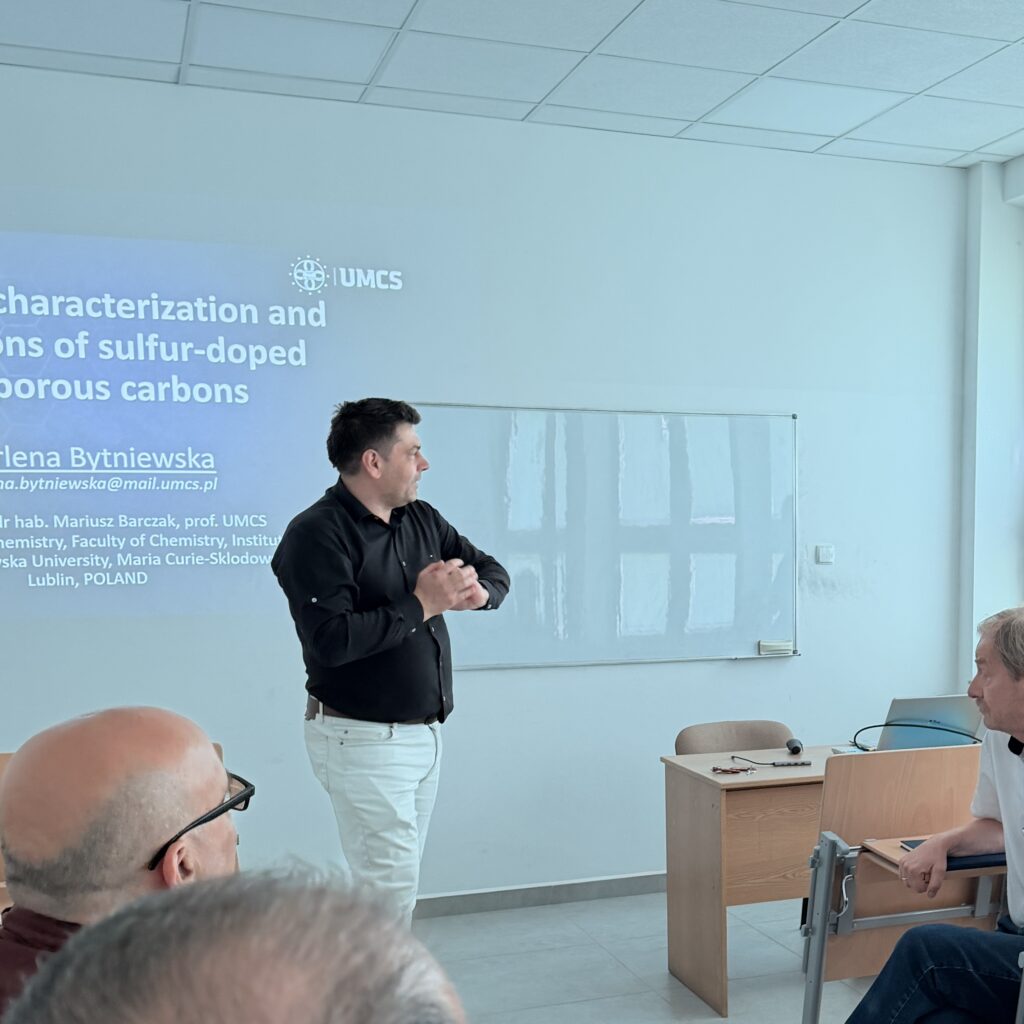
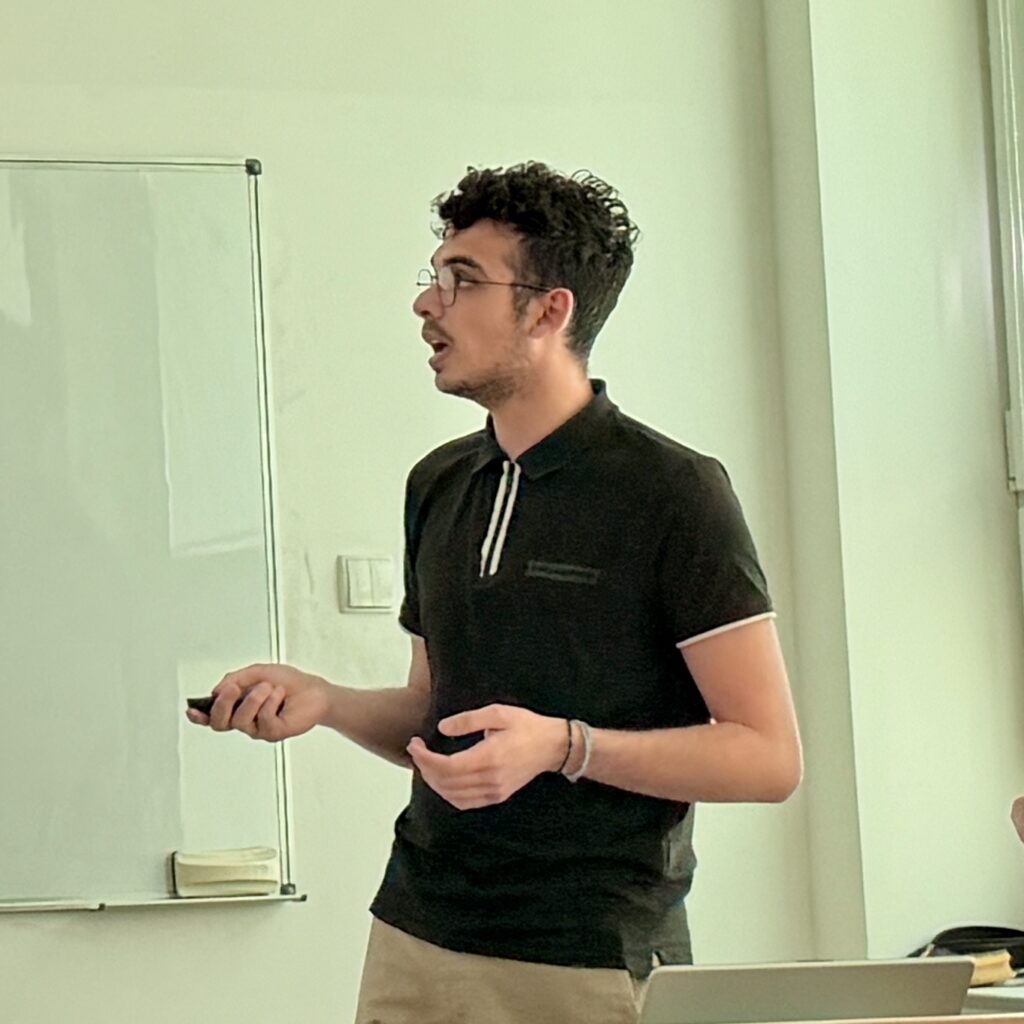
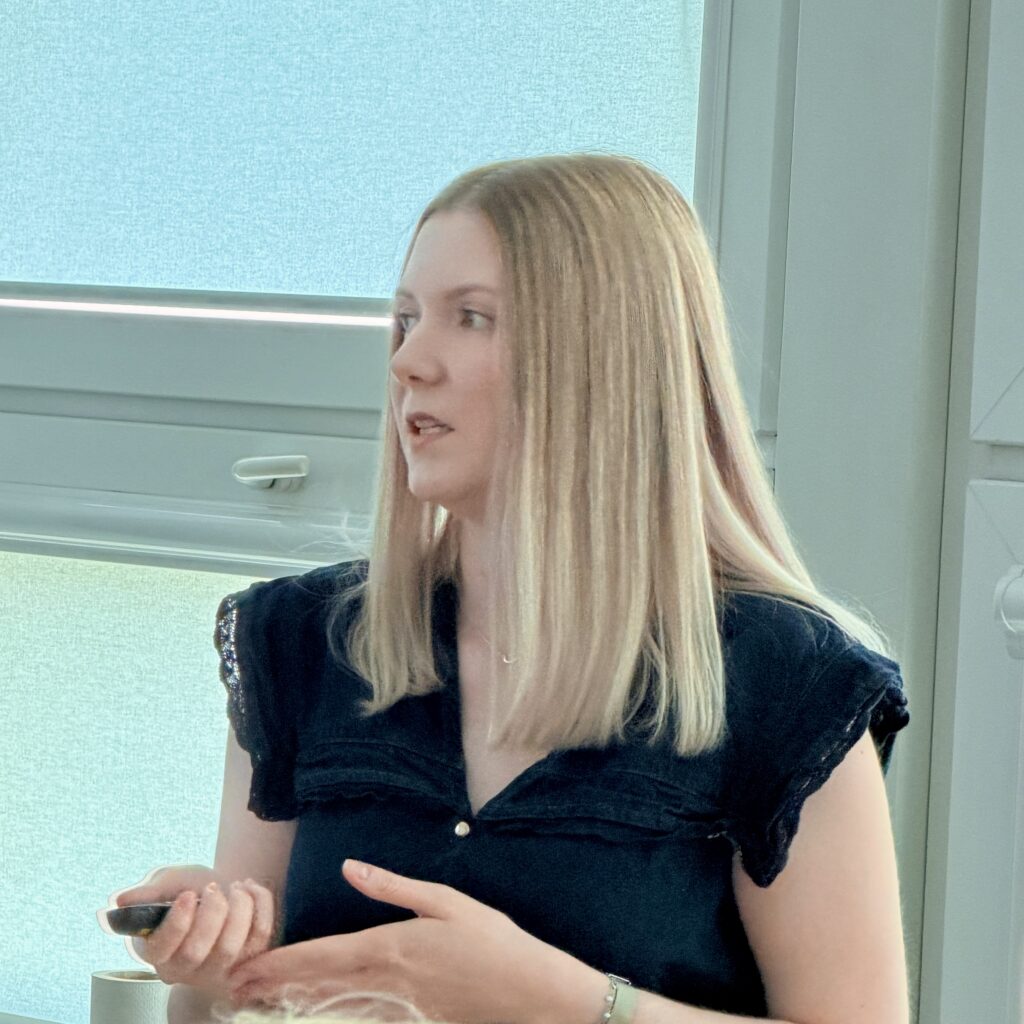
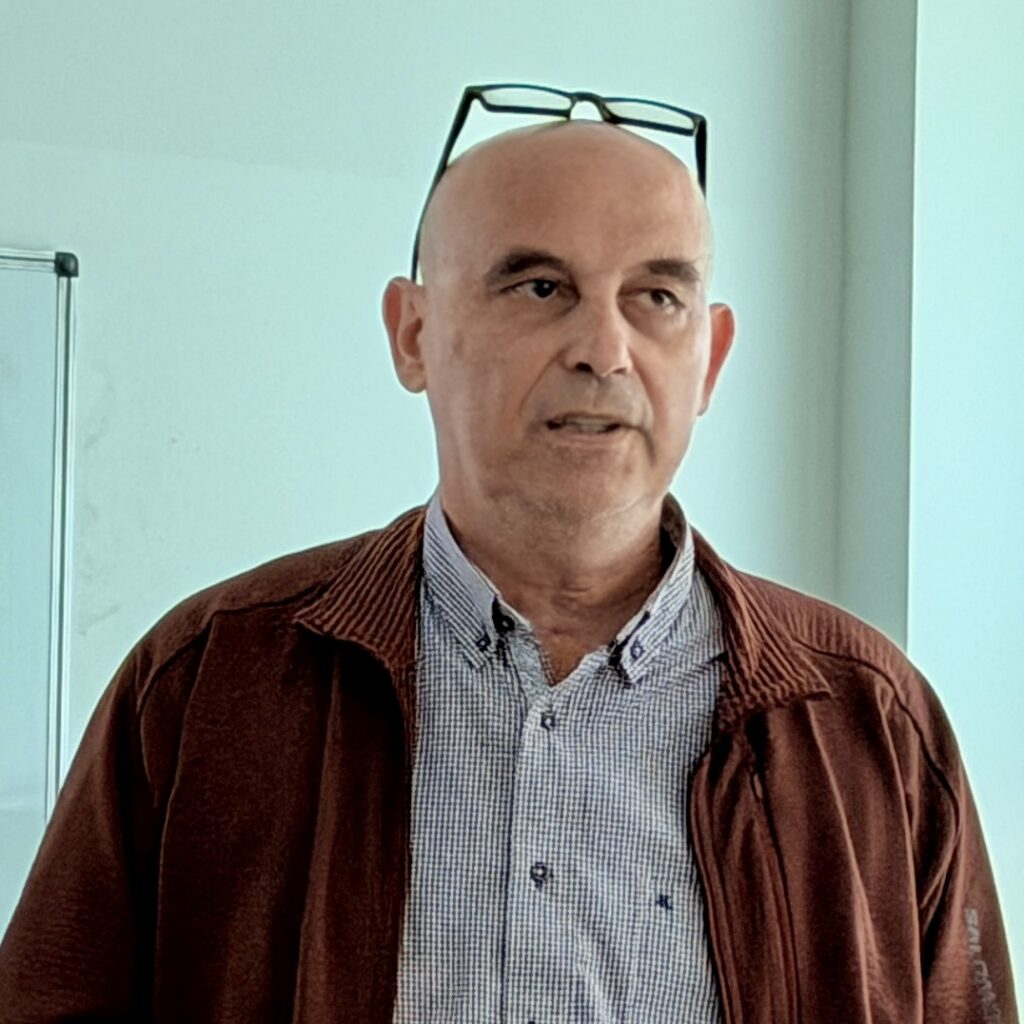
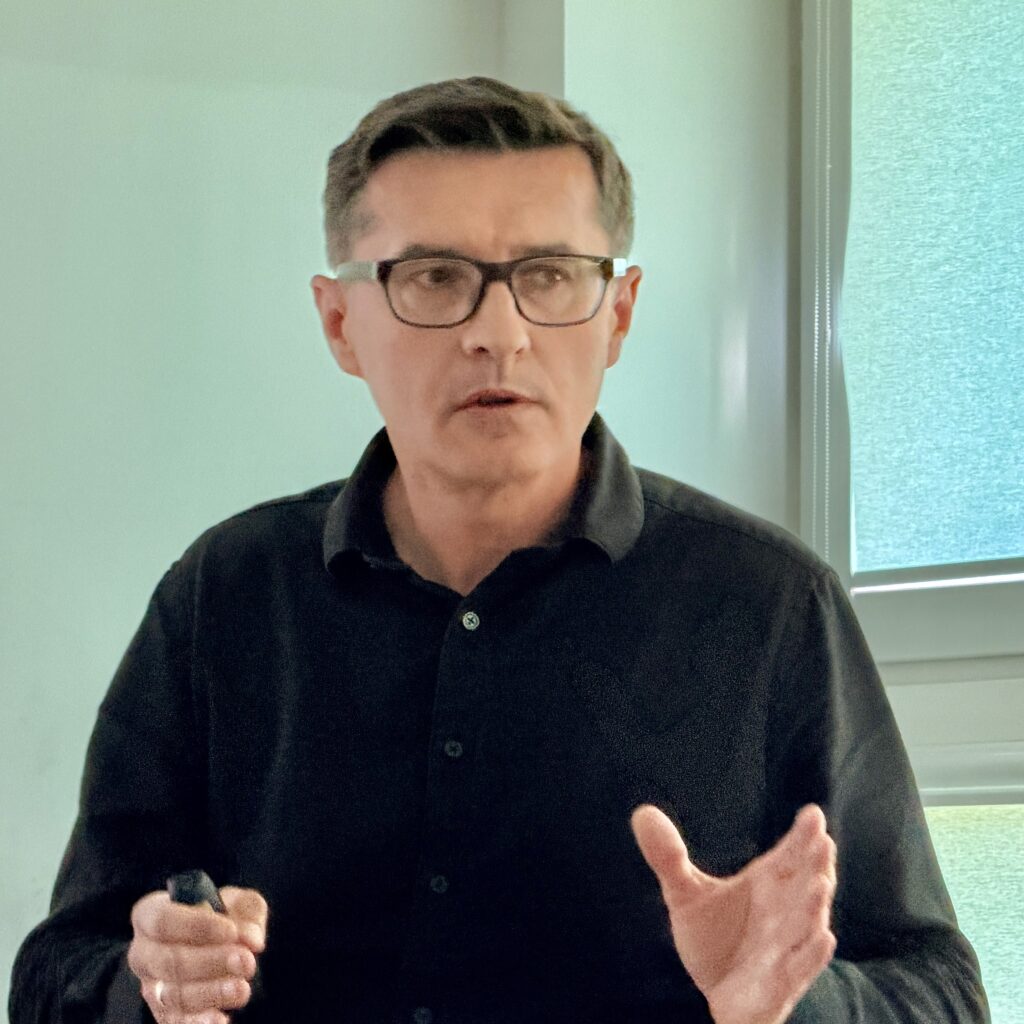
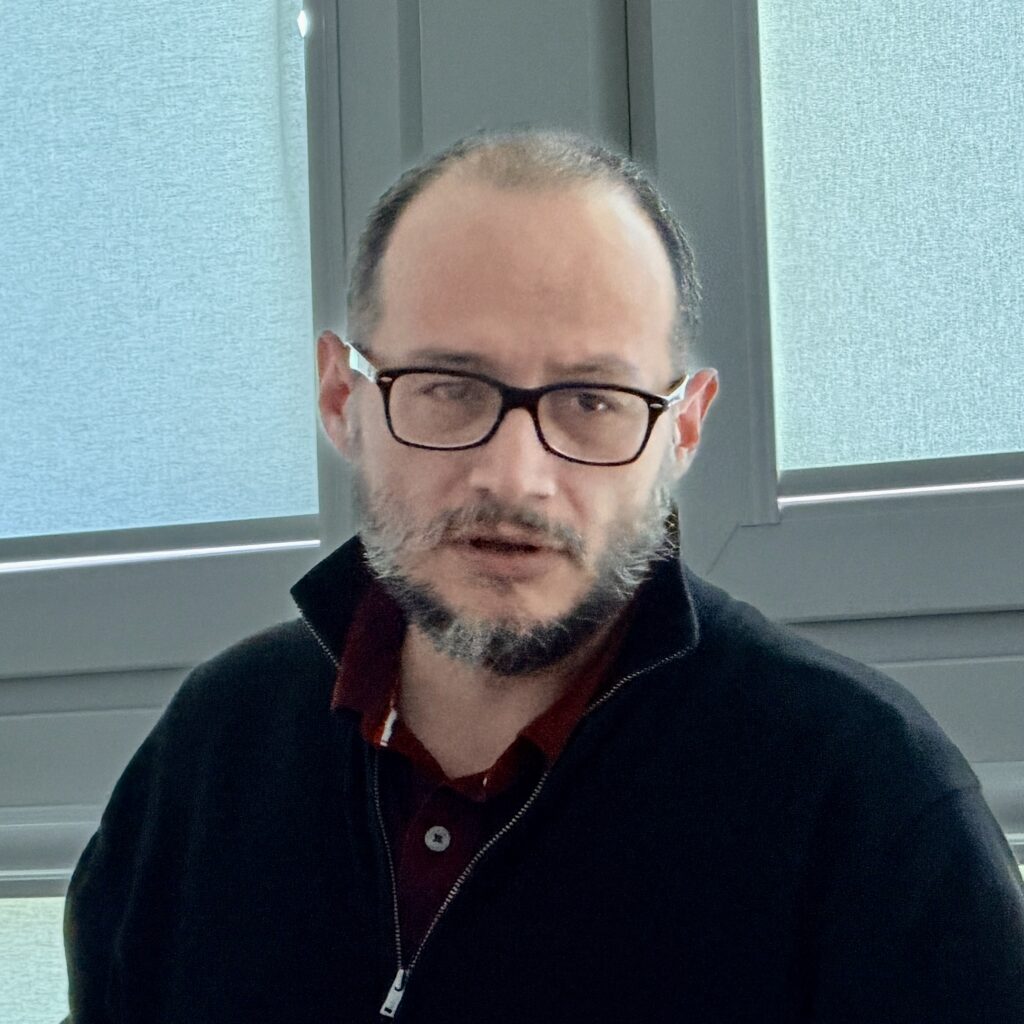
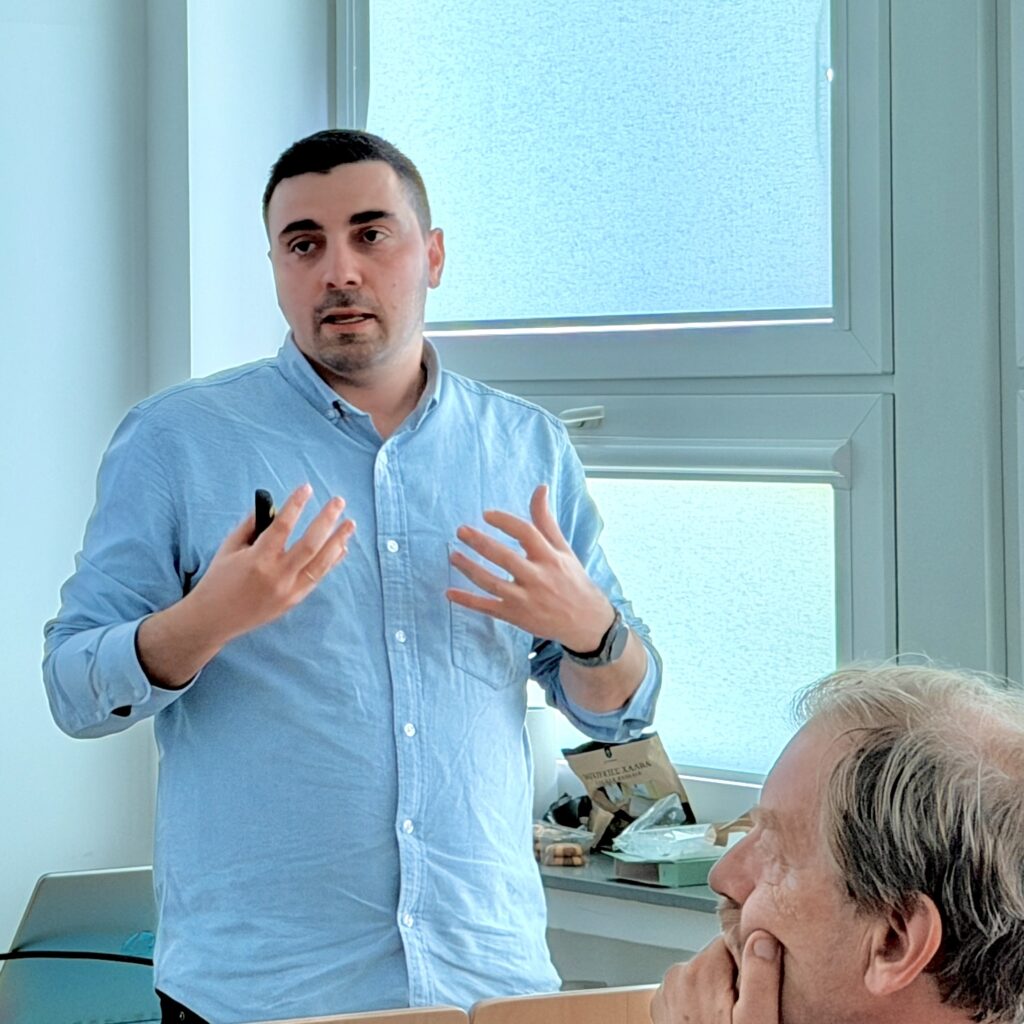
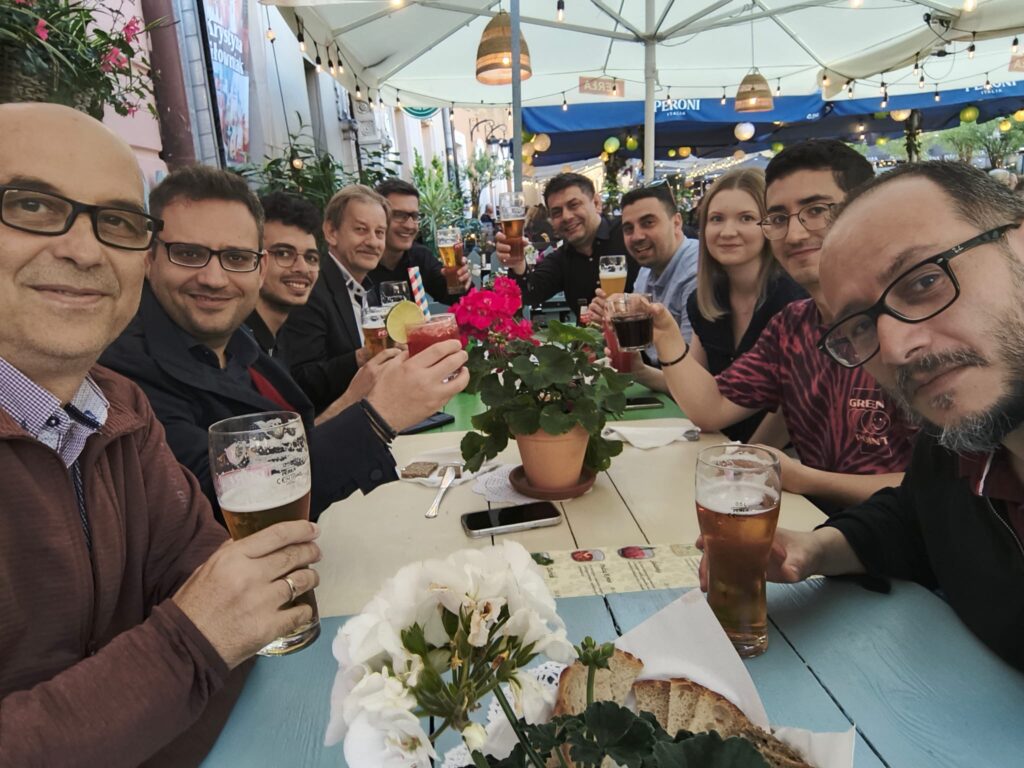
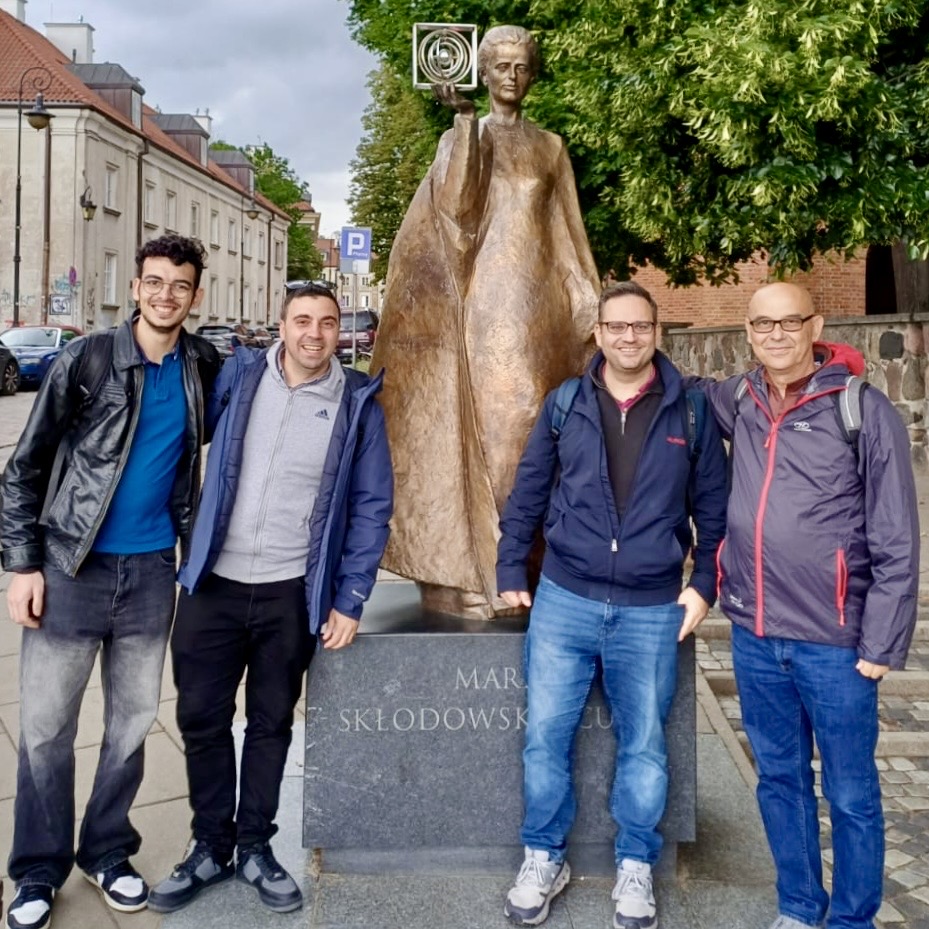
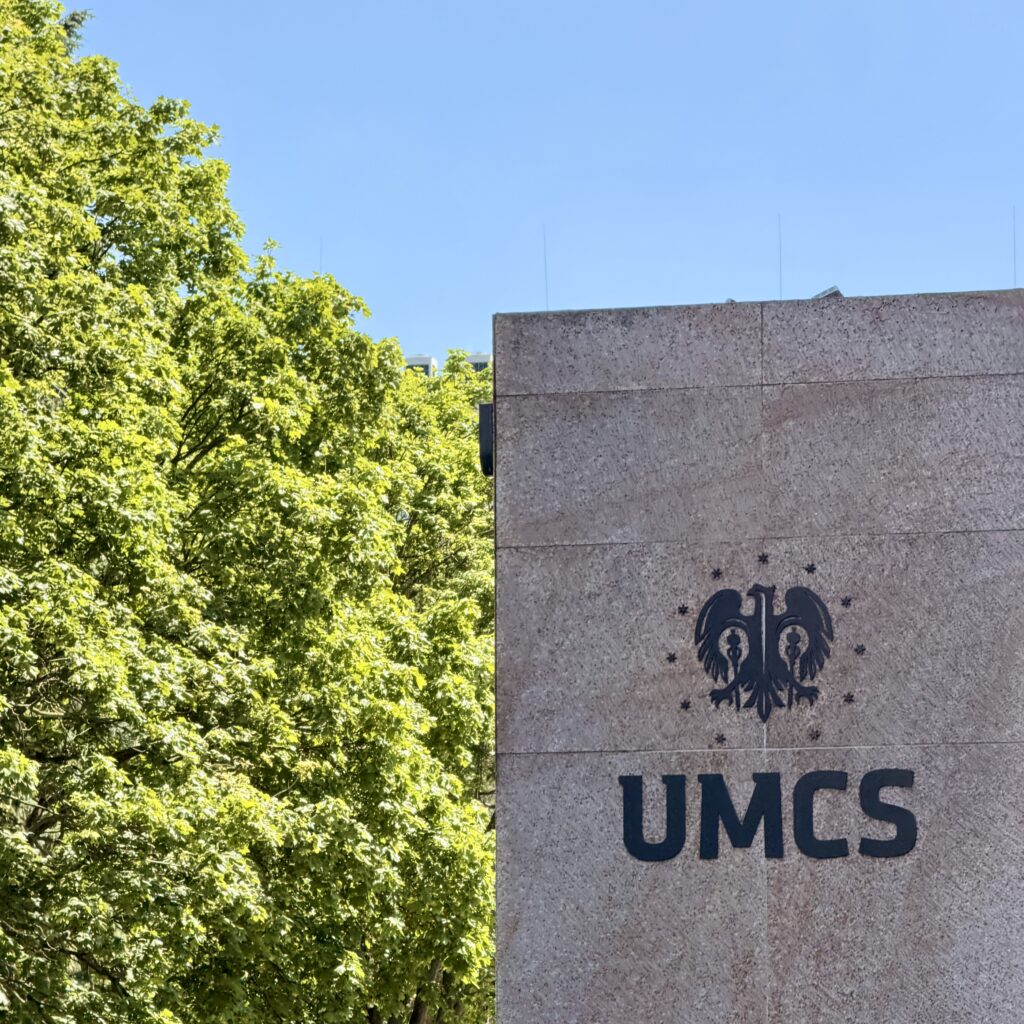
We had a wonderful opportunity to host, within the framework of the SONATA project (2023/51/D/ST5/01915), scientists from Greece and Poland at the Uniwersytet Marii Curie-Skłodowska in Lublin (UMCS), Department of Chemistry, during a special scientific day. The event provided an excellent platform for our PhD candidates to disseminate the latest results from their research and ongoing projects, while engaging in interactive discussions and receiving valuable feedback in a friendly and stimulating environment.
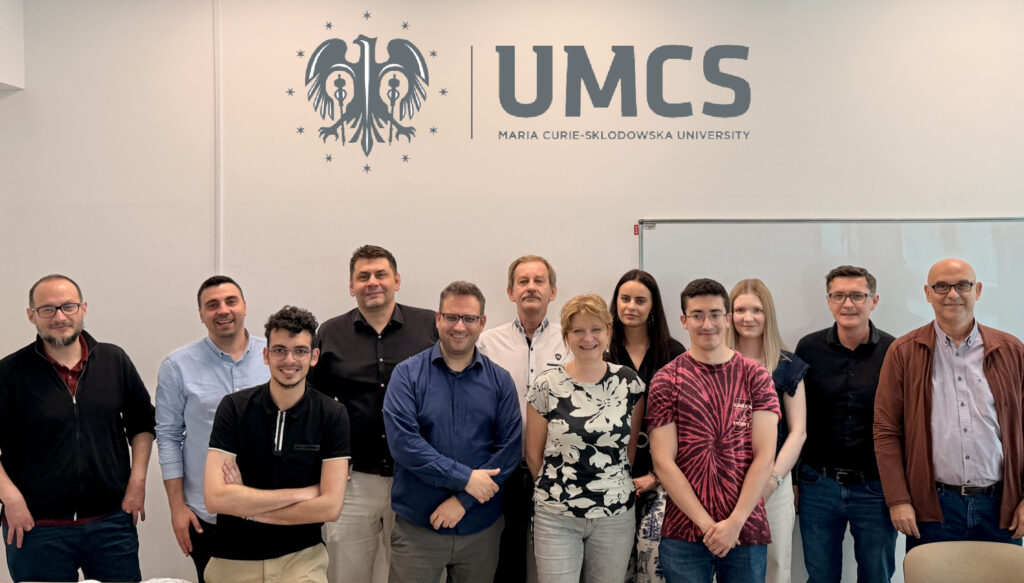
Prof. Dimitrios Gournis (Technical University of Crete and Institute of GeoEnergy, Foundation for Research and Technology Hellas) introduced a variety of fascinating two-dimensional materials, with the recently discovered “Goldene” attracting particular interest. Prof. Dariusz Matoga presented the unique properties of the JUK series of Metal-Organic Frameworks (MOFs), developed at the Jagiellonian University in Kraków. Prof. Emerson Coy (NanoBioMedical Centre, Adam Mickiewicz University in Poznań) showcased the remarkable properties and diverse applications of polydopamine coatings, while Dr. Nikolaos Kostoglou (Institute of GeoEnergy, Foundation for Research and Technology Hellas) demonstrated how breakfast wastes can be transformed into nanoporous materials with a wide range of applications, including hydrogen storage.
Our PhD students also presented their recent achievements, including “Growth of Nanostructured MOF Composites on Porous Carbon Textiles for Protective Applications” (SONATA 2023/51/D/ST5/01915) by Fivos Florides, “Sulfur Incorporation within the Ultramicropores of Nanoporous Carbon Materials” (OPUS 2023/51/B/ST5/01911) by Marlena Bytniewska, and “Development of Magnetic Hydrogels for Environmental Applications” (OPUS 2021/41/B/ST5/03490) by Maria Powezka, highlighting innovative materials targeted for a broad spectrum of environmental and technological applications.
We would like to thank all speakers, students, and participants for their enthusiasm and contributions, which made this scientific exchange both inspiring and highly productive. The event strengthened scientific cooperation between Greece and Poland, fostered new research interactions, and opened opportunities for future collaborations. We are already looking forward to the next meeting, which will take place in Chania, Crete.